

Chicory
Cichorium intybus
Class B
Llimited to portions of the state. In areas with severe infestations, management should be designed to contain the infestation and stop any further spread.
Agricultural Threat
This plant threatens our state’s food security and economy by reducing agriculture yields and/or degrading soil resources.
Purchasable
Despite being classified as a noxious weed, this plant is still widely sold in stores! Keep an eye out, and remember that it is illegal to plant and transport noxious weeds in the state of New Mexico.
Local Ecosystems
This plant is detrimental to native ecosystems, negatively impacting the quality of forage for wildlife and reducing biodiversity in plant communities.
QUICK FACTS
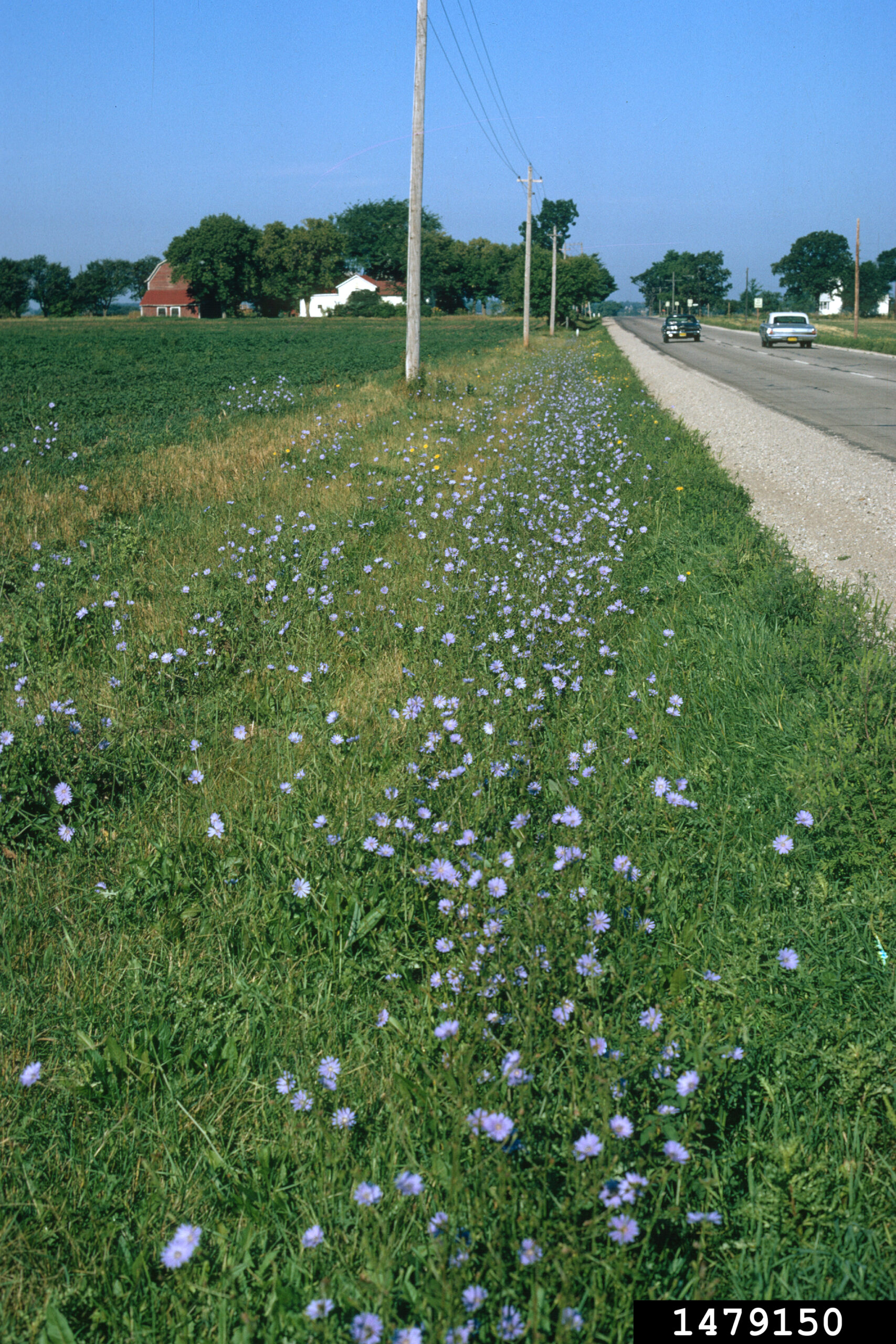
- The plant thrives in sunny, disturbed habitats such as fields, roadsides, rail corridors, and waste areas. It spreads through both seeds and root fragments, with seeds moving primarily via animals, machinery, hay, and other human activities.
- Chicory tolerates a wide range of soils and uses its 3–5‑foot taproot to access deep moisture, making it drought‑resistant and hard to remove. It resprouts after mowing or grazing, flowers for months, and can grow tall enough to shade out native species.
- Chicory grows 2–4 feet tall and produces bright blue, daisy‑like flowers that last only a day. Its basal leaves resemble dandelion but are consistently rough and hairy, and its deep taproot exudes milky sap when cut.
1. Overview
It may look like a carefree wildflower tossing blue petals to the wind, but don’t be fooled! With a taproot that drills into the earth like it’s looking for oil and a talent for thriving where other plants refuse to grow, it has quickly become one of the most aggressive weeds in New Mexico.
Chicory is a hardy perennial herb that has spread widely across New Mexico, especially in disturbed areas such as roadsides, pastures, and open fields. Its bright blue flowers make it easy to spot, but its deep taproot, persistent basal leaves, and ability to regrow after cutting or grazing allow it to establish quickly and persist even under harsh conditions. It occurs throughout New Mexico; most sightings were in northern New Mexico, particularly Taos County. There have been 62 positive reports of the plant within New Mexico. Counties include: Taos, San Miguel, San Juan, Colfax, McKinley, Mora, Bernalillo, Los Alamos, Otero, Rio Arriba, Santa Fe, Torrance, and Valencia. [1,2,3]
History of Chicory
Humans intentionally cultivated this plant; people typically used the leaves as salad greens, and the root as an additive or coffee substitute. Most sources suggest it likely originated in cultivated gardens; it is now common across the entire Northern Hemisphere and widespread throughout the United States. Despite its uses and showy blue flowers, it has become an obnoxious weed in many areas and is considered difficult to control once an infestation is established
The genus Cichorium, part of the Asteraceae family, includes six species that are mostly found across Europe and Asia. One of the best‑known members is chicory (Cichorium intybus), a plant many people recognize as a classic coffee substitute. People have also used it for centuries as a medicinal herb, treating everything from small wounds to diabetes.
Chicory has been part of human life for a very long time. The ancient Egyptians grew it for food, healing, and even as occasional animal forage. By the sixteenth century, it had become a familiar cooking ingredient, eaten fresh or boiled, and in Europe its cultivated root was often roasted and ground as a stand‑in for coffee or enjoyed on its own. Interest in the plant rose again in the nineteen seventies when researchers found that its roots can contain up to forty percent inulin, a carbohydrate that has very little effect on blood sugar. That discovery made chicory especially appealing for people managing diabetes. Beyond the kitchen, the plant has a long history in traditional medicine. In some folk practices, its juice was used to treat uterine cancer and other tumors, and for generations it has been valued as a gentle support for the liver and digestive system, as well as a general restorative tonic. [4,5]
Chicory, initially derived from wild chicory commonly found along roadsides and waste areas, has been used since the mid-1970s to intensify herbage availability in perennial pastures for livestock. Many accounts describe its medicinal properties, including those from Theophrastus of Eresos, Pedanios Dioscorides, Pliny the Elder, and Avicenna, who used chicory preparations to treat digestive or visual disorders. Avicenna also used chicory root decoctions to alleviate gout pain. Meaning the plant has been used from 23 AD to 79 AD for its medicinal properties. [6]
Coffee was banned many times in Europe and the Middle East; one ban came from Frederick the Great in 1766. People thought coffee would ruin commoners. The ban led to alternatives like coffee brewed from wheat, barley, corn, dried figs, and chicory. In the 1970s, a coffee shortage nearly doubled coffee prices. They used chicory as a coffee alternative. Chicory remains a coffee alternative today and is often blended with coffee to add a deeper, richer flavor. [7,8]
2. ID Guide
What does it look like?
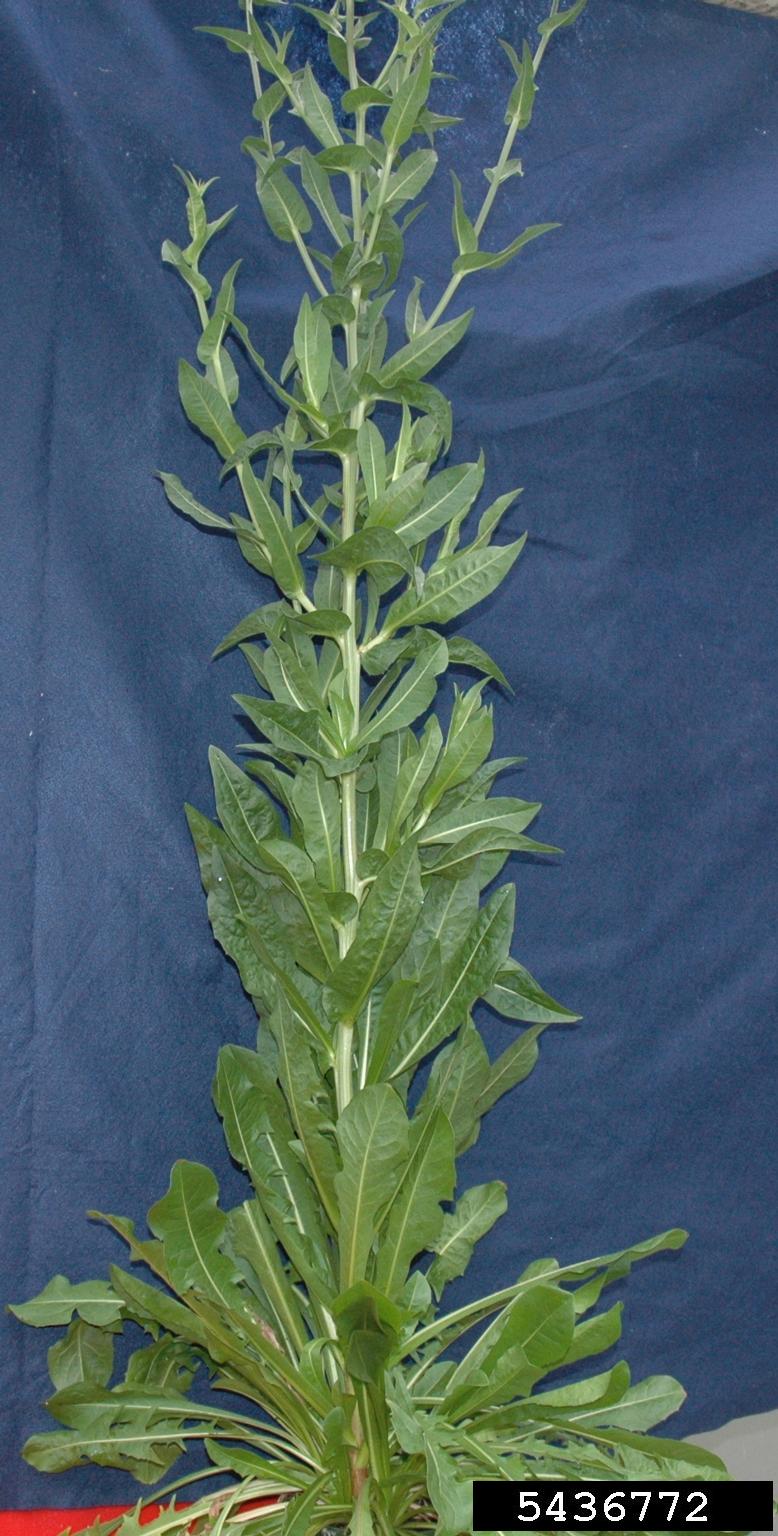
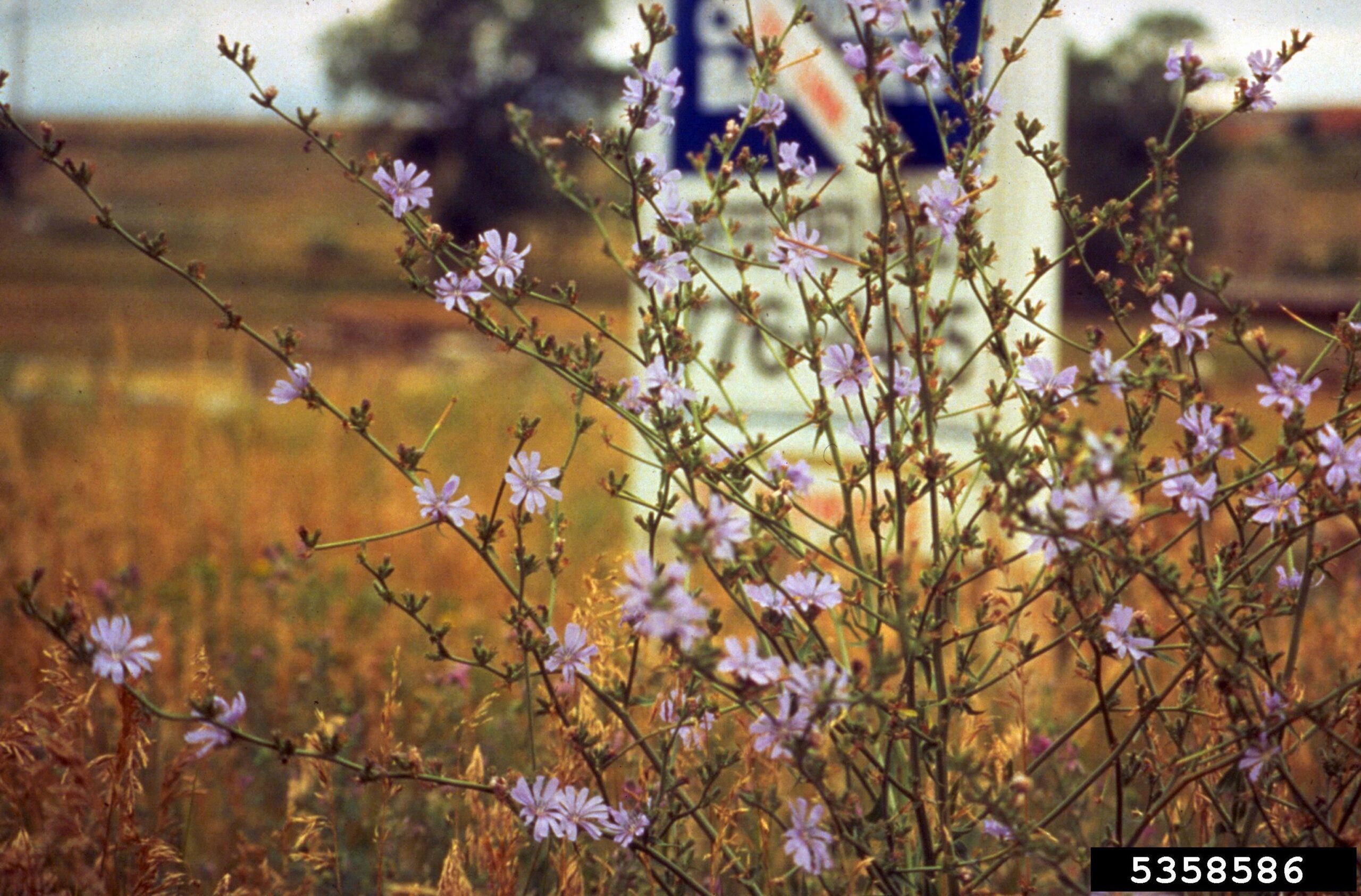
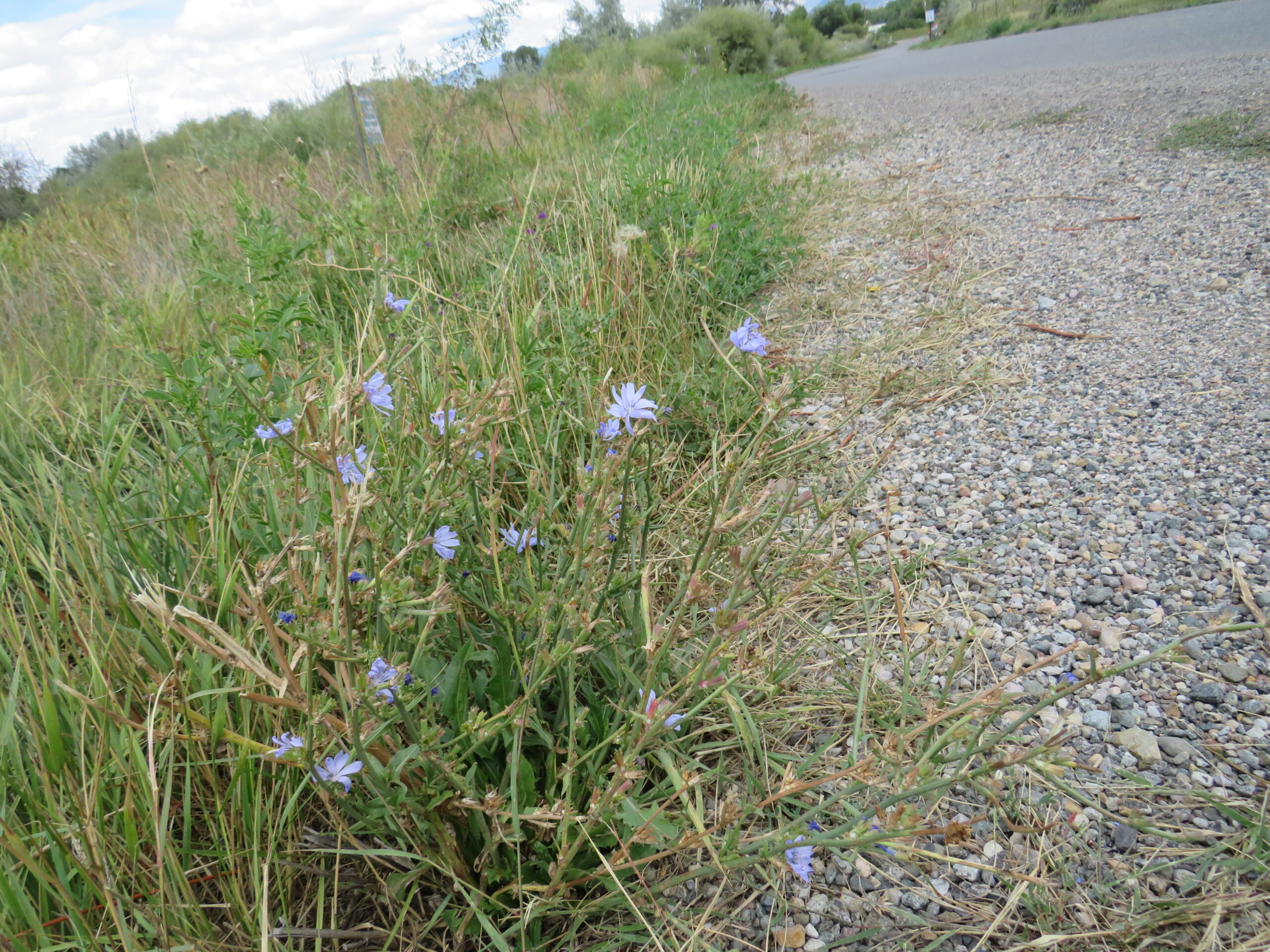
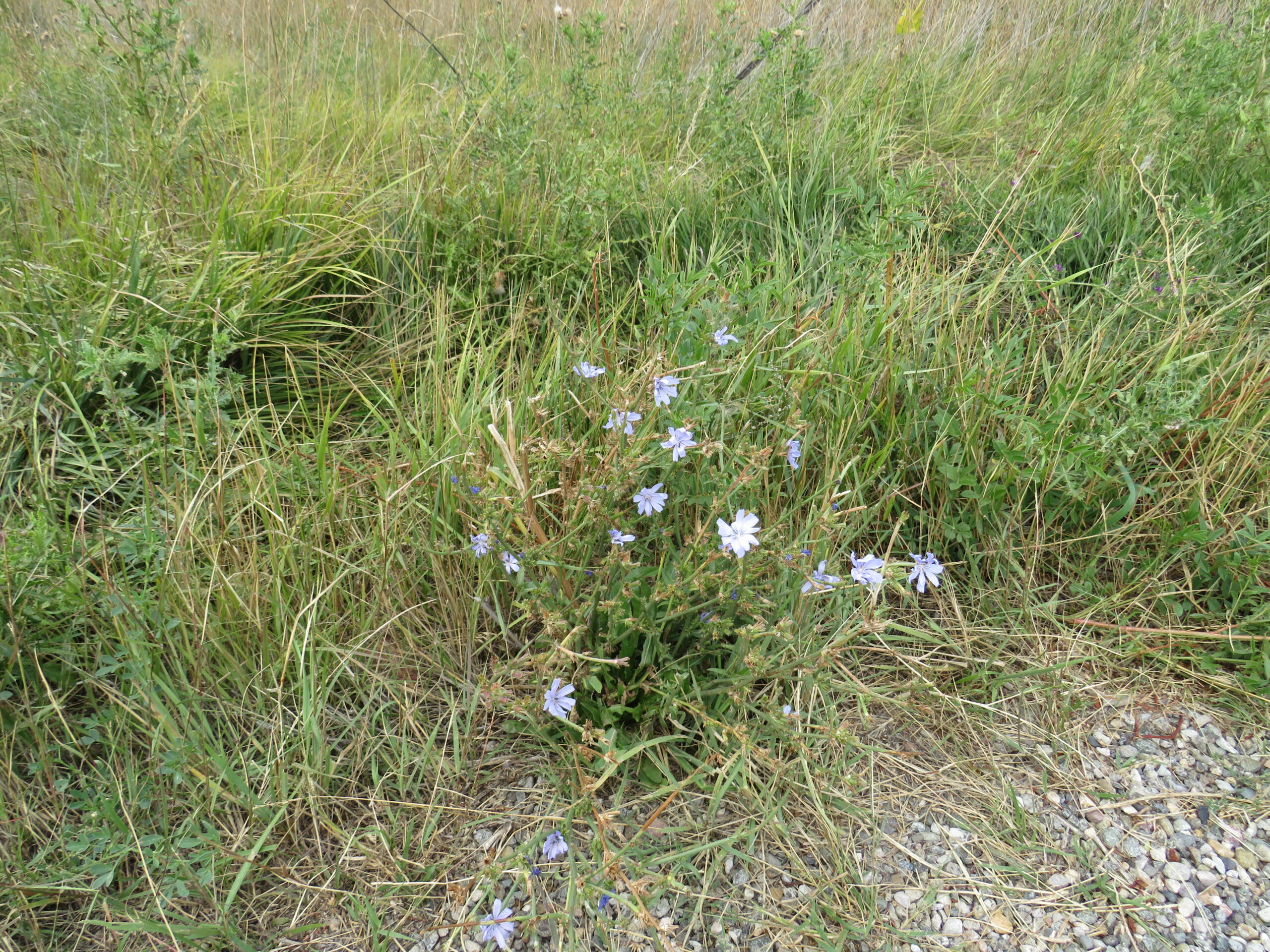
Chicory is a taprooted perennial herb that grows to 2-4 feet tall. It produces bright blue daisy-like flowers that cluster at the tops of the stems. Its lower lance-shaped, dandelion-like, basal leaves, which are 3-6 inches long, are irregularly or unevenly toothed, cut or lobed, and have rough, hairy surfaces. Upper stem leaves are smaller with clasping bases. The deep, fleshy taproot exudes milky sap when cut. [9]
Chicory can be confusing before it sends up a stalk. In its early rosette stage, it looks a lot like a dandelion, and the two even share a similar bitter taste. Dandelions never grow a true central stalk, and all their leaves and flowers stay at the base. Once you see a firm upright stem rising from the center, you are looking at chicory. Dandelion leaves usually have more lobes, and the lobes tend to cut deeper into the leaf, but that trait varies so much that it is not a reliable way to tell the two plants apart. A more dependable difference is texture. Chicory leaves are consistently hairy on both the upper and lower surfaces, while dandelion leaves are typically smooth or may have a little hair only on the underside. [10,20]
As the plant grows taller, it can resemble showy blue lettuce, which has a similar overall shape. Florida lettuce can also cause mix-ups, but its leaves stay well developed along the stem rather than tapering off. Its seeds have a tuft of hair at the tip, while chicory seeds carry only a small crown of scales. Cornflower can look similar from a distance, but its leaves are narrow and linear, and the outer florets enlarge in a way that makes them look like rays. These differences become clear once you know what to look for, making chicory fairly easy to recognize in the field. [11,12]
Having trouble identifying a weed?
Contact your local conservation district or county extension agent.
Key Features
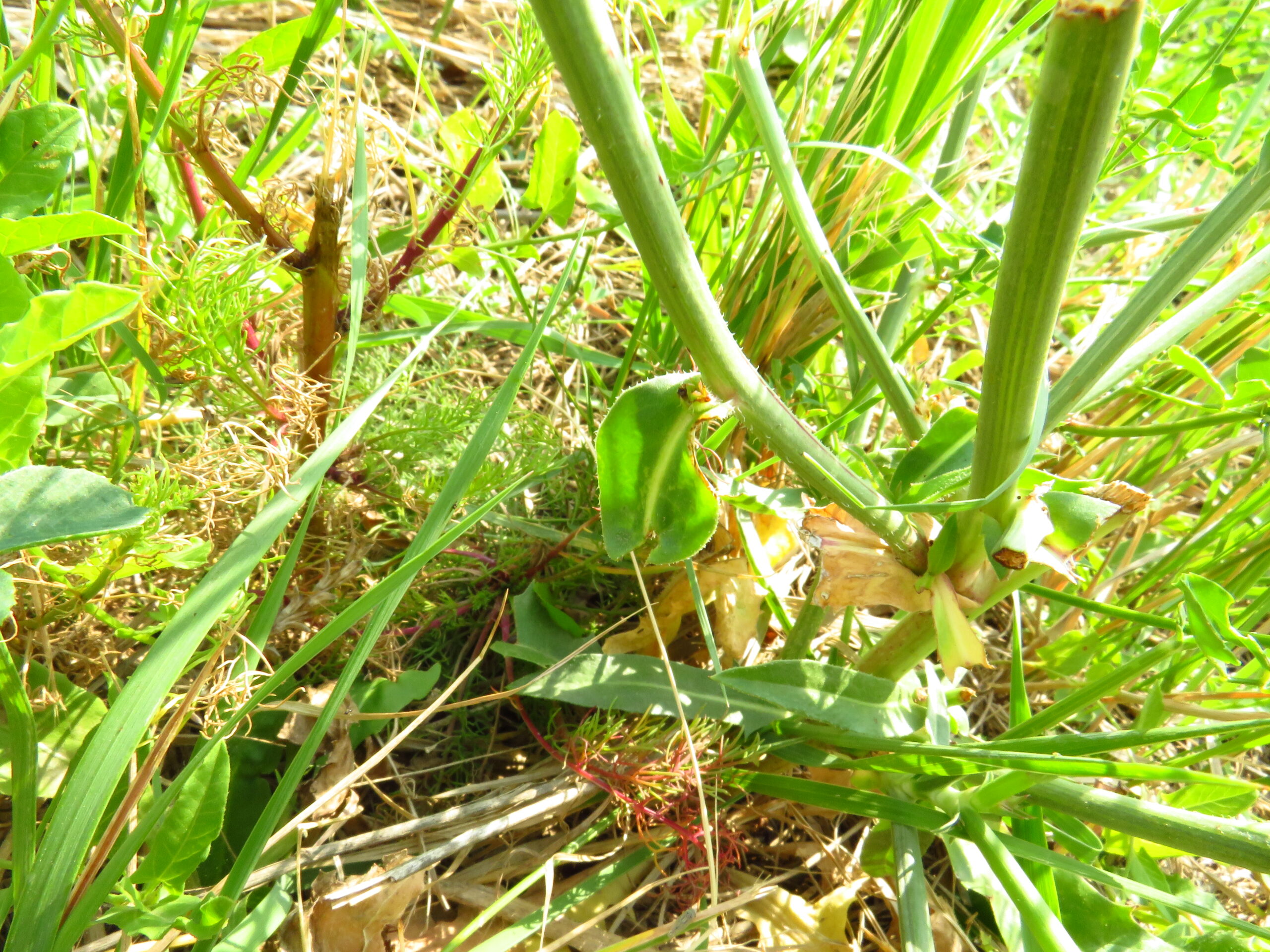
- Stem: Green with a shift toward reddish brown near the base, where the surface is noticeably hairy. The upper portions of the plant lose that texture and remain smooth. [10]
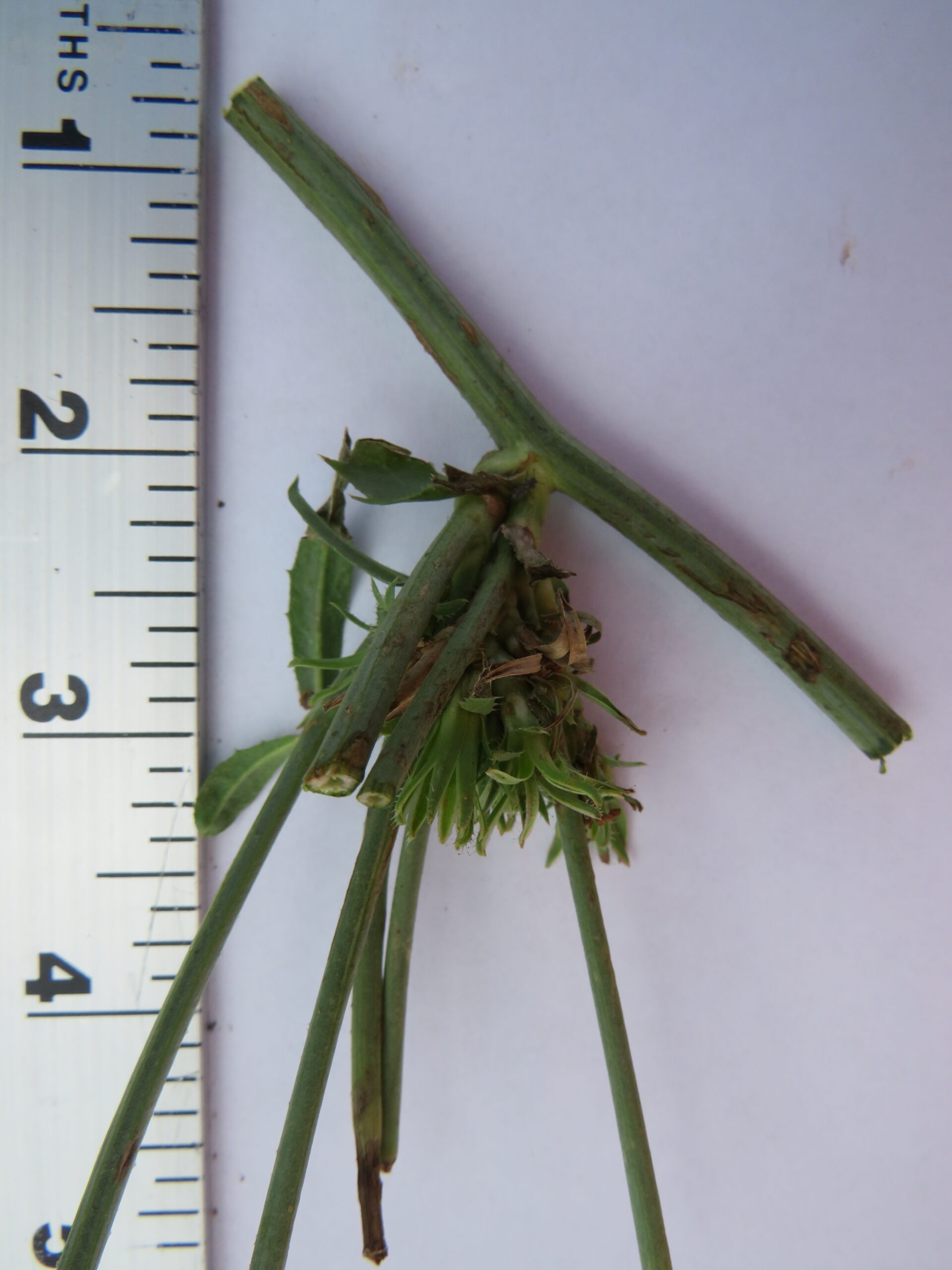
- Roots: Early roots are fibrous, but transition to a more pronounced taproot. The taproots can grow up to 3-5 feet deep. This allows them to withstand drought and recover from stressors such as pests and disease. The root usually grows 2-4 inches thick. [15]
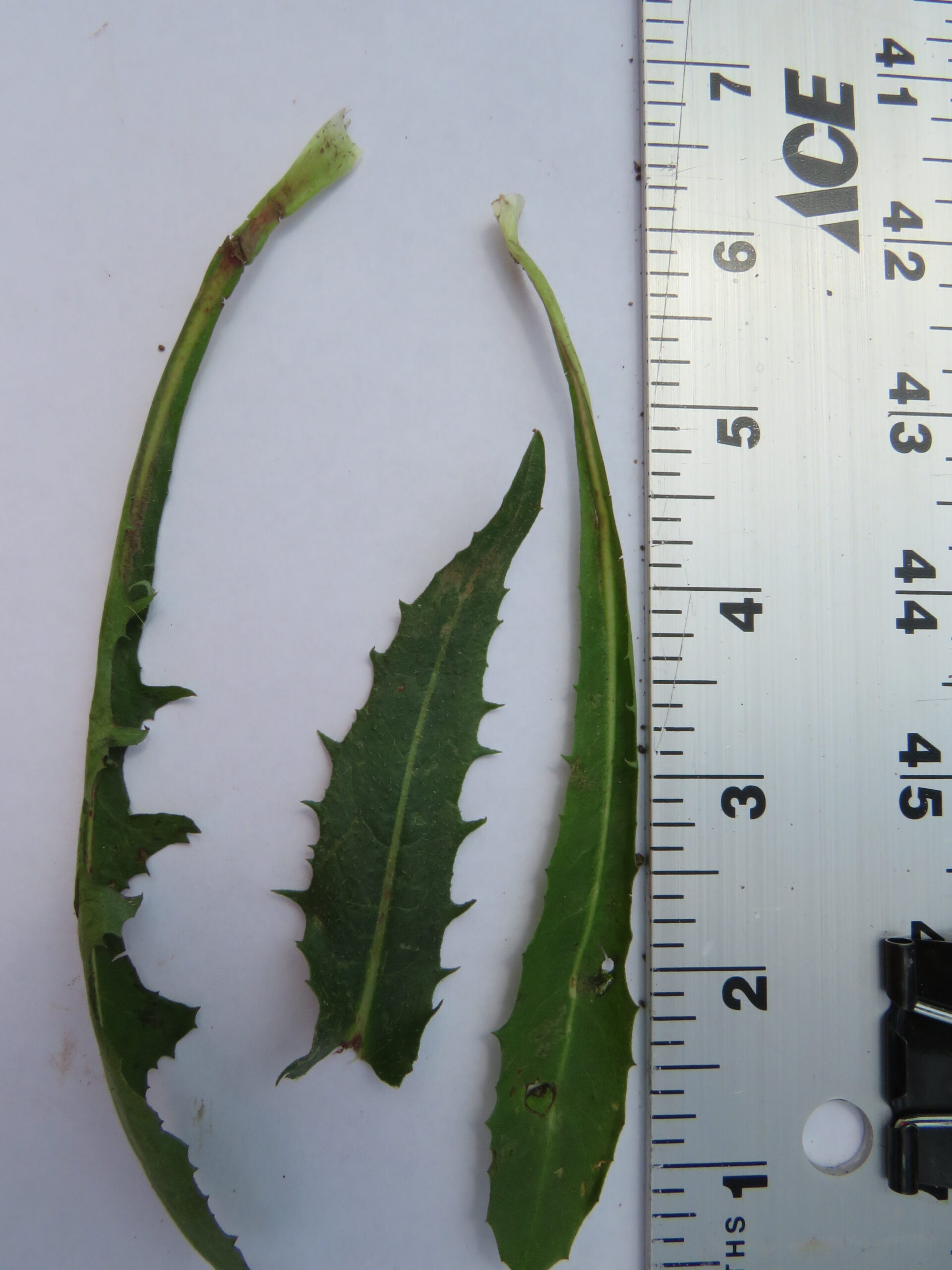
- Leaves: The leaves are green and rough to the touch. The underside of the leaves varies; some are roughly hairy, while others are smooth. The shape may vary, being lanceolate (narrow oval) to oblanceolate (a pointed base of a narrow oval). The leaf edge, or margin, has deep indentations (lobes), but as the leaves move up the stem, the leaves’ margins have more pointed teeth (dentate). Leaf length ranges from 3-6 inches, with some measuring 1-3 inches. The leaves are largest at the base and gradually become smaller as they ascend the stem in an alternating pattern. As leaves move up the stem, they lose their petioles and begin to clasp the stem at a certain point. The base leaves can resemble dandelion leaves, as they are oblanceolate, and they can range from 3-10 inches long. [13,14]
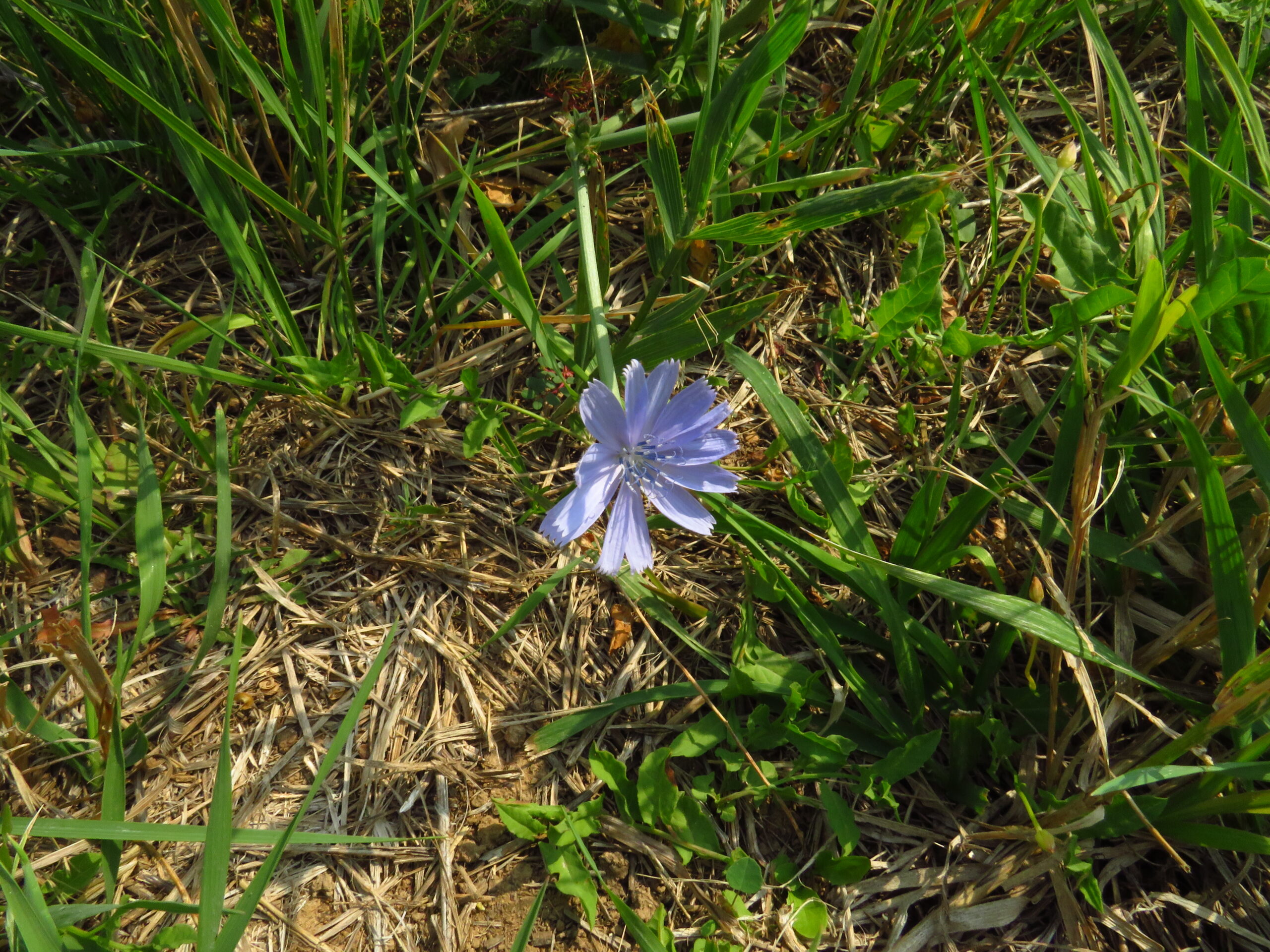
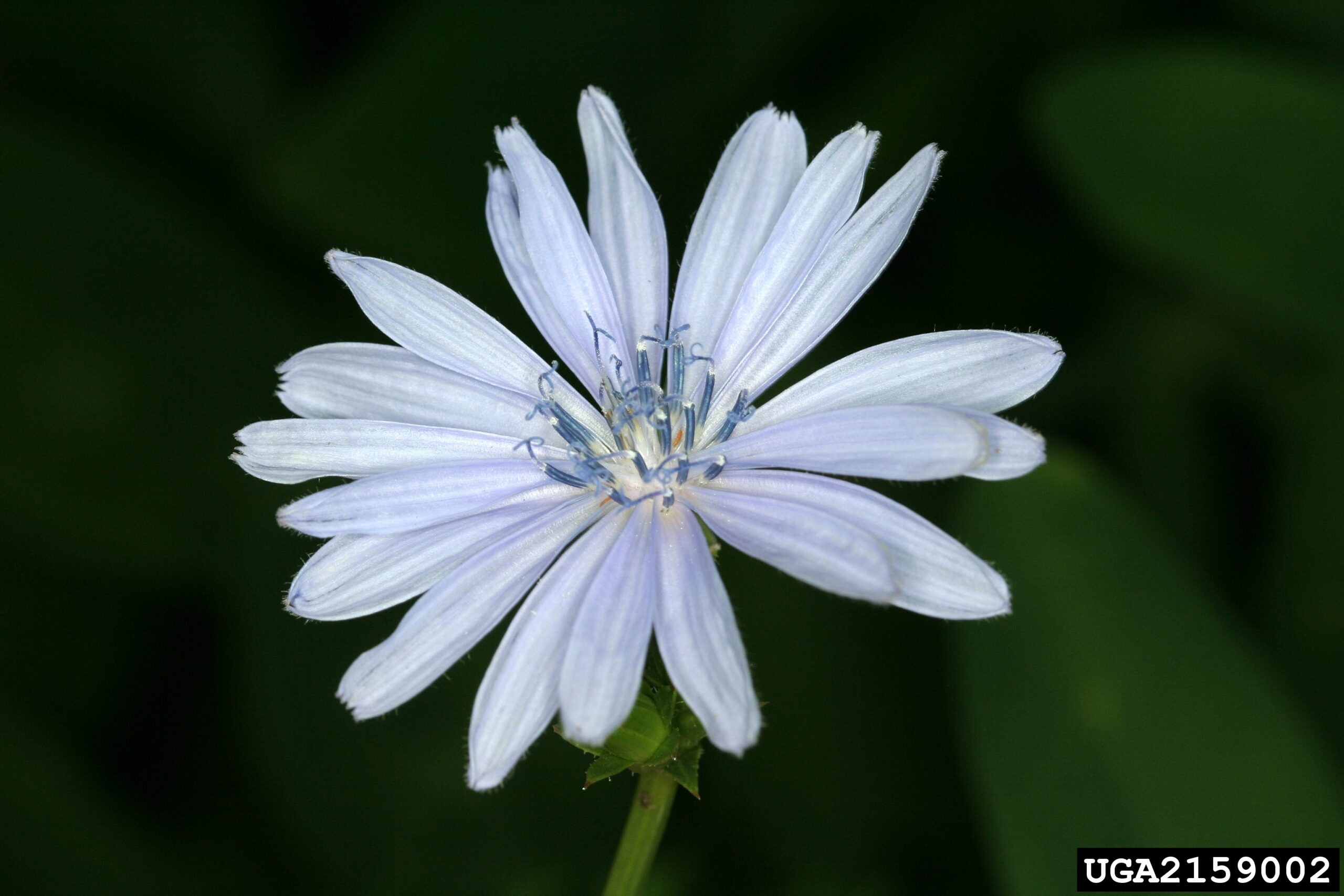
- Flowers: Each flower is a clear sky blue, though pink or white blooms sometimes appear. They reach about an inch and a half across and are made up entirely of strap-shaped ray petals, each ending in five small teeth. No disc flowers appear in the center. The rays carry blue anthers and blue-and-white forked styles. Two layers of bracts sit beneath the flower head, with the outer layer about half the length of the inner. Flowers appear in small groups of one to five along the branches or at the tips of short side shoots. Each bloom lasts only a single day. In hot weather it may open briefly in the morning and close again soon after, while on cooler or cloudy days it can stay open nearly the whole day. Bees, flies, and butterflies often stop to visit. [13]
- Seeds: The fruits are mottled brown and shaped like small oblong achenes. Their sides form angled edges, the tips are blunt, and a short fringe of bristles sits at the wider end. [13]
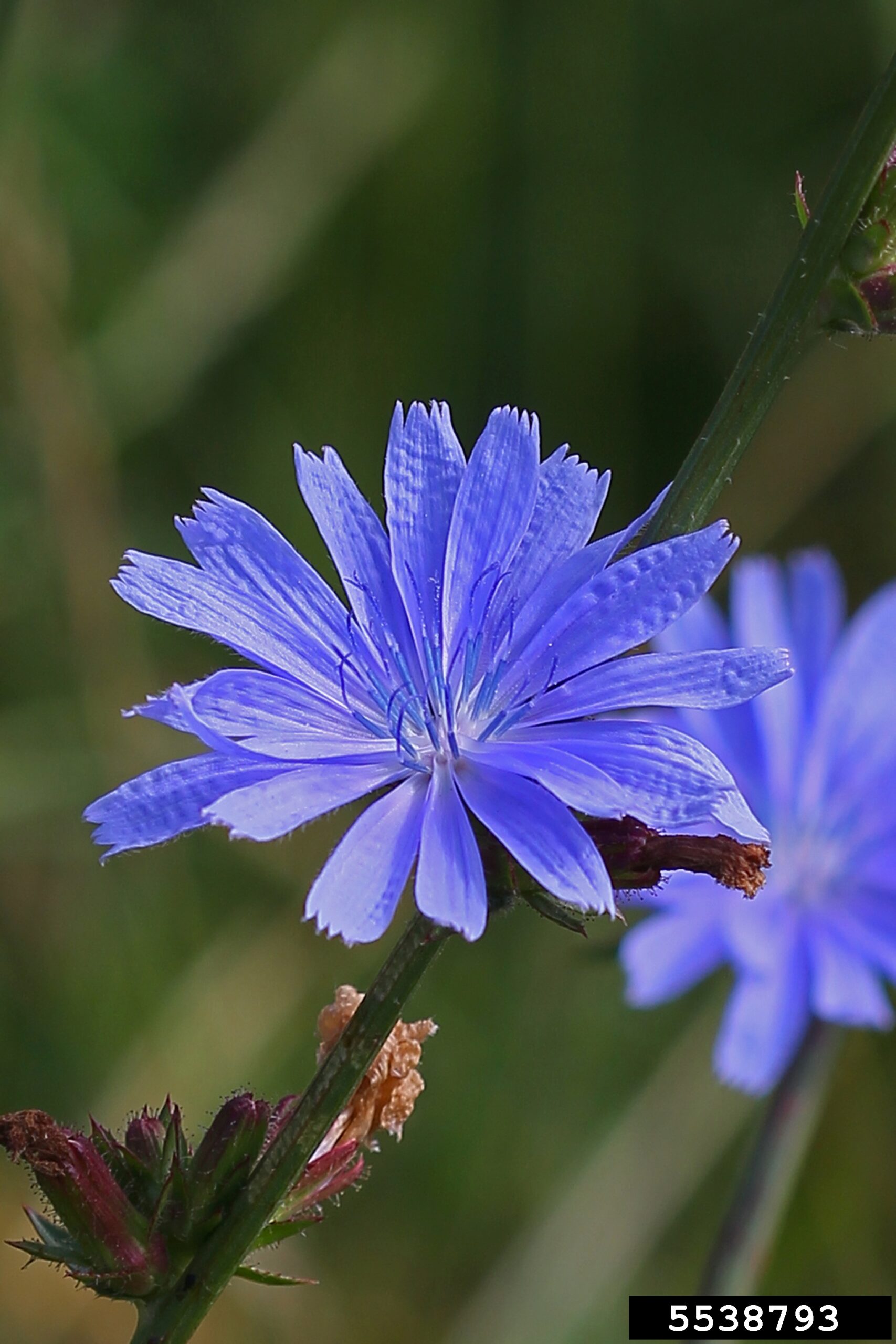
Rob Routledge, Sault College, Bugwood.org
Each flower is a clear sky blue, reach about an inch and a half across and are made up entirely of strap-shaped ray petals.
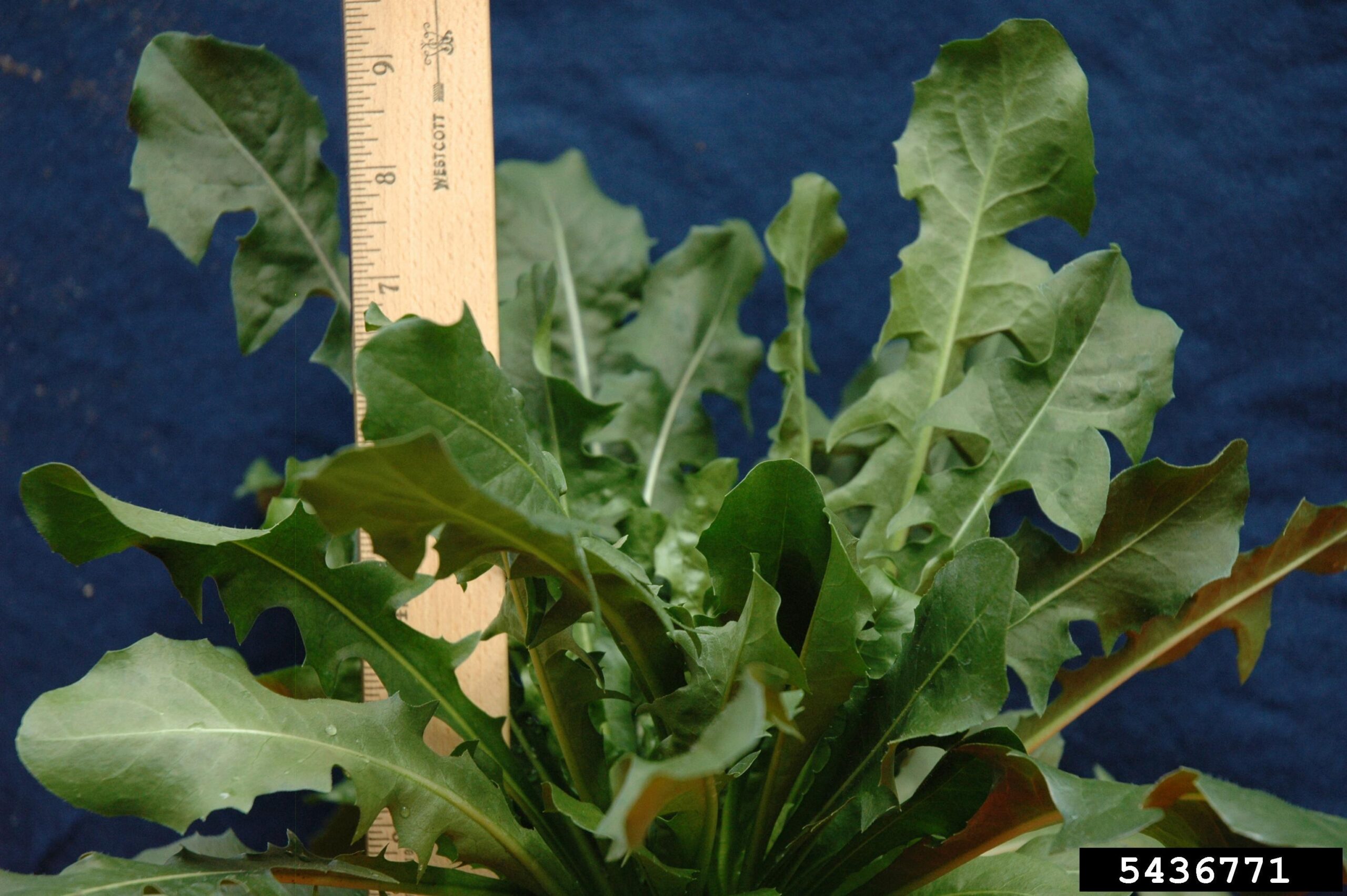
Bruce Ackley, The Ohio State University, Bugwood.org
In its early rosette stage, it looks a lot like a dandelion, and the two even share a similar bitter taste.
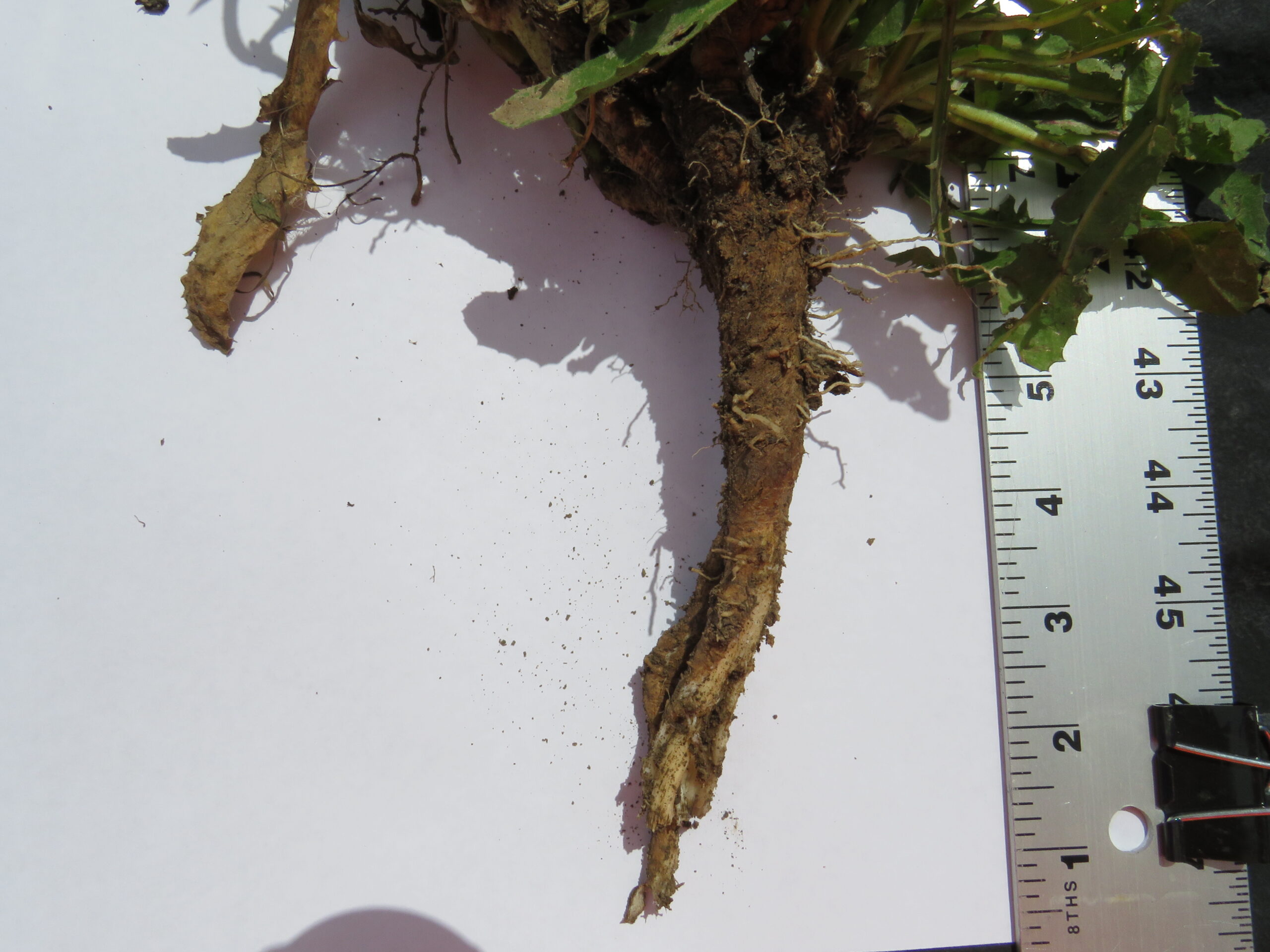
Mikhial Parison, Taos Soil & Water Conservation District
Early roots are fibrous, but transition to a more pronounced taproot. The taproots can grow up to 3-5 feet deep.
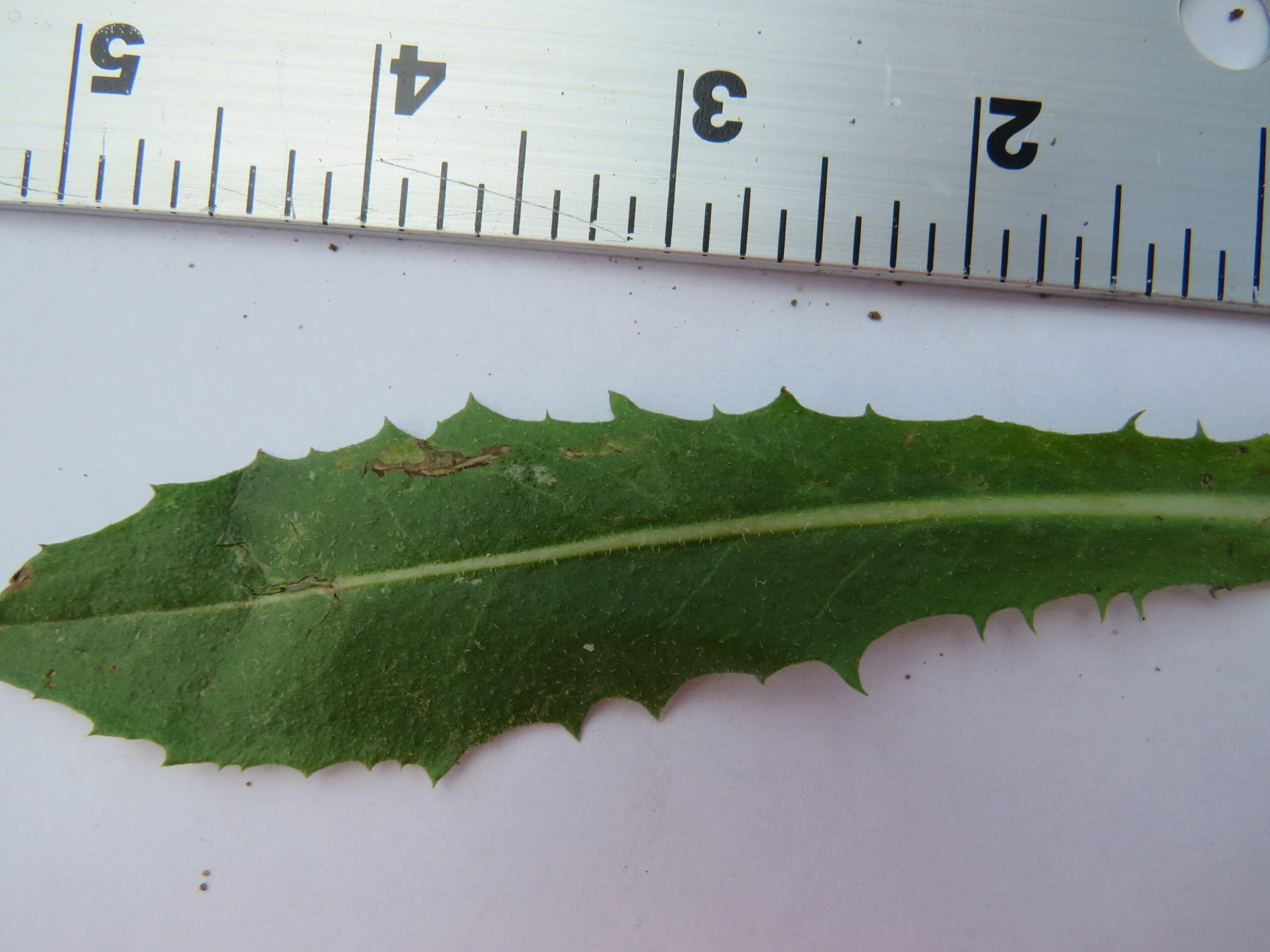
Mikhial Parison, Taos Soil & Water Conservation District
The leaves are largest at the base and gradually become smaller as they ascend the stem in an alternating pattern.
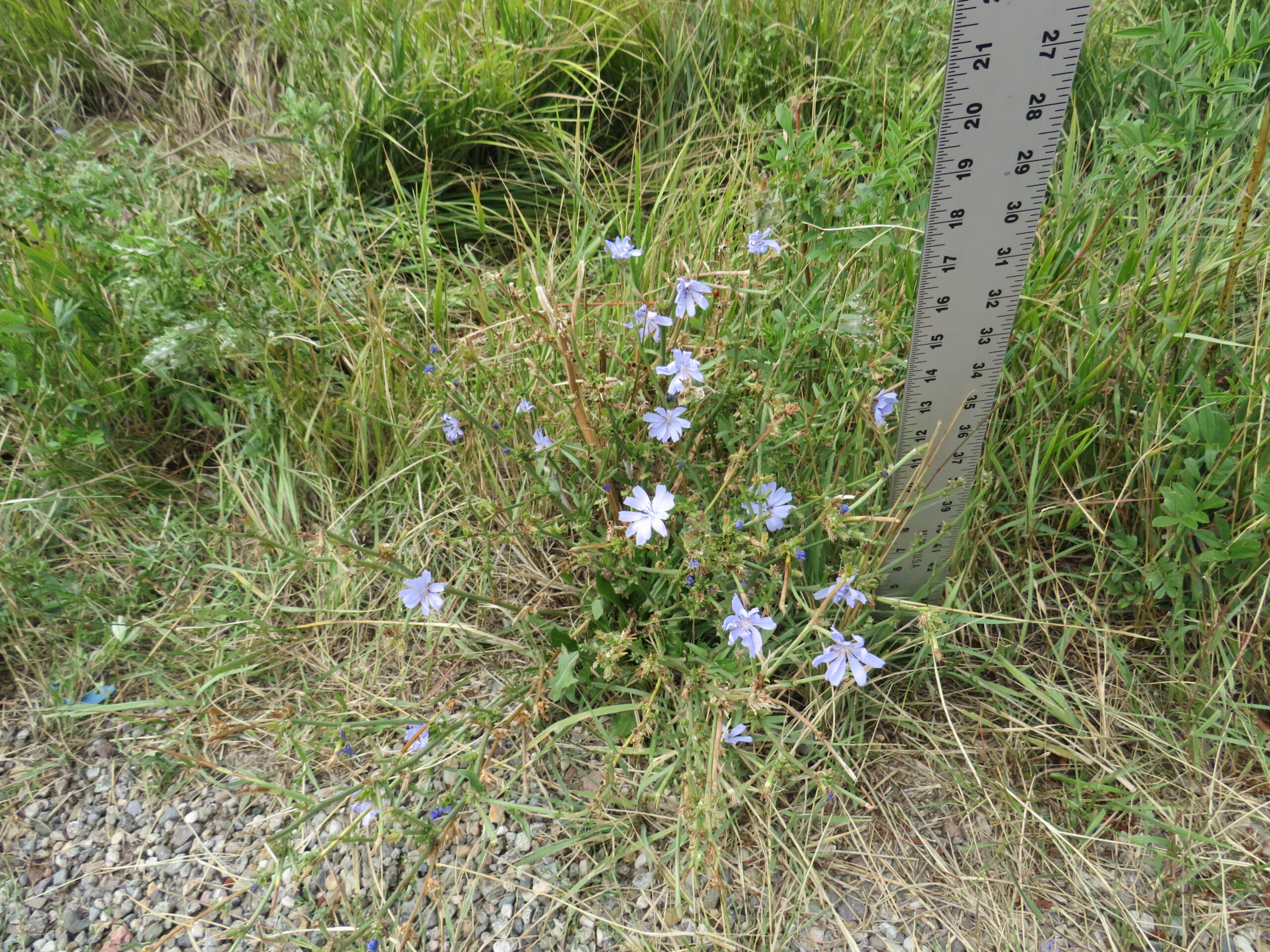
Mikhial Parison, Taos Soil & Water Conservation District
Chicory is a taprooted perennial herb that grows to 2-4 feet tall.
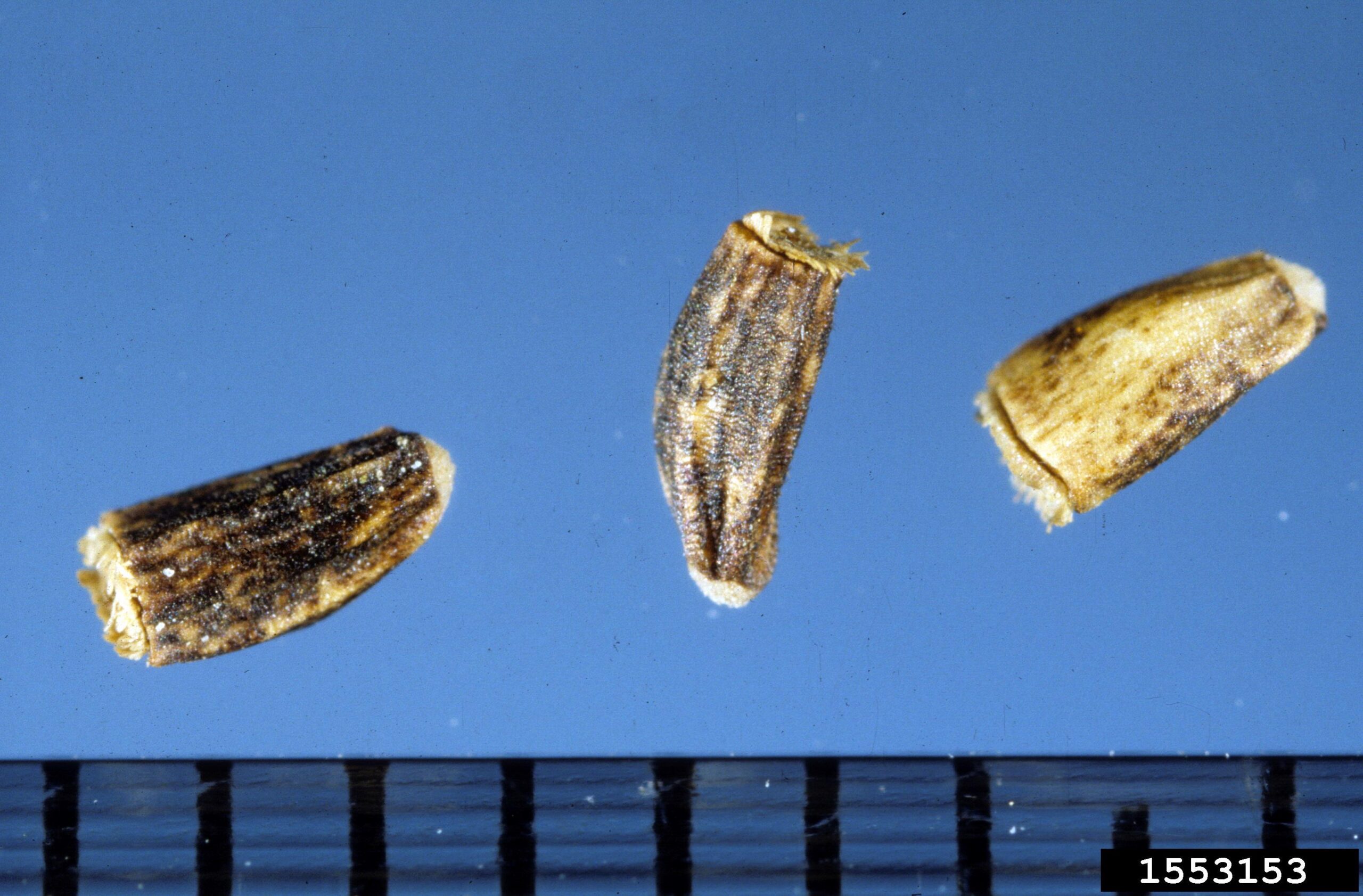
Ken Chamberlain, The Ohio State University, Bugwood.org
The fruits are mottled brown and shaped like small oblong achenes.
3. Infestation Basics
“Even some of the plants in the vegetable garden may at times escape from cultivation and become troublesome. The most notable illustrations of this are found in horse-radish, chicory, and salsify or vegetable oyster. The first named reproduces only by vegetative roots; but chicory and salsify produce seeds that scatter in all directions, coming up as weeds in situations favorable to growth.”
-Clarence Moores Weed, 1910
Where does it grow, and how does it spread?
Chicory is a hardy perennial originally native to Europe, central Russia, and western Asia, but it has spread widely and is now naturalized across much of North America and other regions with climates suited to zones three through nine. It rarely moves into intact, undisturbed habitats, but it thrives anywhere the soil has been opened up. You will most often find it in fields, pastures, roadsides, rail corridors, waste areas, and other places where disturbance gives it space and light. [13,19]
The plant favors full sun and well-drained soils, especially those with moderate to high fertility and a pH above 5.5. It can handle a wide range of soil types and becomes drought-tolerant once established, though it struggles in hot, humid conditions and often declines in southern summers. In cultivated settings, it grows best in deep, fertile soil, which encourages strong leafy growth and a deep taproot. Gardeners who intentionally grow chicory must take care to prevent it from self-seeding and spreading beyond where they want it. [1,12]
Chicory spreads readily through both seeds and broken pieces of root. Its seeds are heavier than those of dandelions and lack the feathery pappus that allows wind dispersal, so they tend to move through animals, machinery, hay, and other human activities rather than drifting far on their own. Because it can persist and spread in disturbed places, some states list it as a noxious weed, and it can occasionally push into higher-grade dry prairie habitats. [13]
Chicory seeds show no dormancy and germinate across a wide temperature range from five to thirty degrees Celsius, with an optimal window near twenty-five to thirty degrees. Germination typically begins in late spring or early summer, and the plant grows quickly, producing flowers from June through September, though in warm southern regions blooming can start as early as March. Its flowering season can stretch from June into October, with clear blue blossoms that open in the morning and often close by midday. In the first year, the plant forms a rosette of bitter, rough, hairy leaves that resemble a dandelion’s. In the second year and beyond, it sends up tough, wiry, branching stems that may reach four feet under ideal conditions and bear numerous blue flowers from midsummer until the first frost. [5,9,14,17,18]
Key takeaway: Chicory is a widespread, disturbance‑adapted perennial that thrives in sunny, well‑drained soils, spreads by seed and root fragments, and grows quickly from spring through fall.
Why is it so invasive?
Chicory can grow in a wide range of soil types and conditions, including well-drained, rocky, sandy, or clay soils. It tolerates both acidic and alkaline soils. The plant’s deep taproot, which can extend 3-5 feet deep, lets it access moisture and nutrients from deeper soil layers, making it drought-resistant. It also allows the plant to store more food and acts as a strong anchor in the ground. Chicory propagates readily from seeds and root pieces. Although its seeds lack the feathery pappus of dandelions, animals, machinery, and human activity can still disperse them. The plant can grow up to 2-4 feet tall, shading out native species. Chicory can resprout from its roots after cutting, mowing, or grazing. When repeatedly mowed, the plant will also flower low to the ground. It also has a long flowering period, allowing more opportunity for seed production and dispersal. [9]
Key takeaway: Chicory is a deep‑rooted, drought‑tolerant perennial that thrives in many soil types, resprouts after mowing, spreads by seeds and root fragments, and grows tall enough to outcompete native plants.
Common risk factors for invasion
- Open disturbed areas: It thrives in disturbed sites, including pastures, meadows, and roadsides. Poor vegetation cover means areas with fewer competitive desirable plants are more susceptible to infestation. Fires also disturb the soil and vegetation enough to allow for invasion.
- Anthropochory: Soil disturbances through machinery and improper grazing practices can create favorable conditions for chicory establishment. Herbalists and coffee enthusiasts also commonly grow it, increasing the risk of escape from cultivation.
- Seed and Root: Seeds can spread through contaminated forage such as dried hay and crop seeds. Seeds can also be transported through human activity, wind, and water. Roots allow it to regrow after mowing or grazing, and it can also propagate from root fragments.
Impacts
Economic
If chicory invades agricultural fields or pastures, it can compete with desirable plants for nutrients, water, and sunlight. This can reduce crop yields or forage quality. Because of its deep taproot, it is difficult to control, increasing maintenance costs.
Biodiversity and Native Vegetation
It can displace native plants, particularly in disturbed or unmanaged areas, thereby affecting local ecosystems and biodiversity. Its deep taproot makes it difficult to eradicate once established, and it may interfere with crops or pastures.
4. Management Strategies
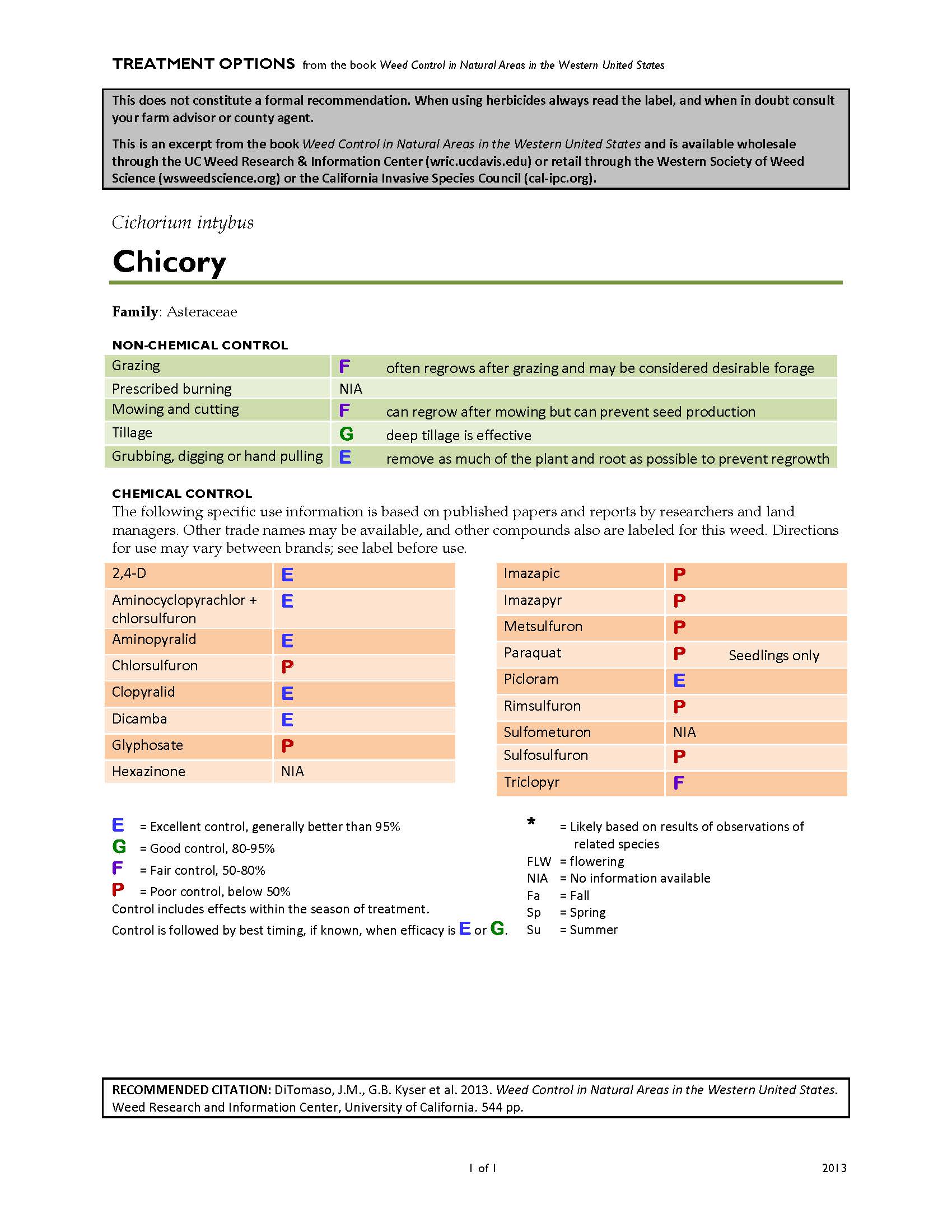
Chicory is a perennial that reproduces by seed and root fragments, so the best management is to prevent seed production and eradicate its roots either by complete removal or herbicides. Mechanical methods such as pulling or digging can be effective if you remove the taproot completely. Mechanical methods are usually best for residential areas or small infestations. Mowing is not recommended because it stimulates flower production and disperses seeds. Removing the inflorescence just below the root crown will reduce its vigor, but you should also bag the biomass, as seeds can mature and germinate if left in place. A prescribed fire can kill the seeds if hot enough but will not affect the deep taproot. Fire effects are untested.
It is sensitive to competition, especially to plants that can crowd out the chicory roots. Recommended plants include grasses or other vegetation with Vesicular-arbuscular mycorrhizae (VAM) or robust root biomass that can outcompete chicory root biomass. Recommended grasses include wheatgrass (Pseudoroegneria spicata) and Sandberg bluegrass (Poa secunda). It is a high-quality forage for goats, sheep, and cattle. Proper grazing of chicory can reduce its vigor and promote desirable plant species. Fall grazing is best for this control method.
The best long-term weed control is promoting healthy native or desirable plant species after initial removal of Chicory. This method promotes healthier soils and helps continue to outcompete chicory. No biological control agents are authorized for Chicory. [16]
DO’s
- Removing young rosettes early makes control far easier because the taproot hasn’t yet driven deep into the soil.
- Excavating the full taproot prevents regrowth, since even small root pieces can regenerate new plants.
- Stopping chicory from flowering keeps thousands of seeds out of the soil seed bank and slows future spread.
DON’Ts
- Leave root fragments because chicory readily regenerates from broken taproot sections.
- Ignore soil disturbance as compacted or nutrient-poor soil creates ideal conditions for chicory to establish.
- Let plants flower since flowering leads directly to heavy seed production and long-term persistence.
** The following information is provided courtesy of the UC Weed Research and Information Center. nmweeds.taosswcd-nm.gov does not endorse the use of any particular product, brand, or application thereof. **
5. Citations
[1] chicory: Cichorium intybus (Asterales: Asteraceae): Invasive Plant Atlas of the United States. (2018). Invasiveplantatlas.Org. https://www.invasiveplantatlas.org/subject.cfm?sub=5332 Accessed 23 Sept. 2026.
[2] Foraging, S. (2020, December 3). Four Season Foraging. Four Season Foraging. https://www.fourseasonforaging.com/blog/2020/12/1/dandelion-scourge-or-savior. Accessed 23 Sept. 2026.
[3] EDDMapS. “New Mexico State Report: Sub 5332.” Early Detection & Distribution Mapping System, https://www.eddmaps.org/state.cfm?sub=5332&country=926&stateid=35. Accessed 23 Sept. 2026.
[4] Street, Renée A., et al. “Cichorium Intybus: Traditional Uses, Phytochemistry, Pharmacology, and Toxicology.” Evidence-Based Complementary and Alternative Medicine, vol. 2013, 2013, pp. 1–13, https://doi.org/10.1155/2013/579319. Accessed 23 Sept. 2026.
[5] Judzentiene, Asta, et al. “Volatile Constituents from Aerial Parts and Roots of Cichorium intybus L. (Chicory) Grown in Lithuania.” ResearchGate, https://www.researchgate.net/profile/Asta-Judzentiene/publication/228914575_Volatile_constituents_from_aerial_parts_and_roots_of_Cichorium_intybus_Lchicory_grown_in_Lithuania/links/5811d03e08aec29d99f7aea1/Volatile-constituents-from-aerial-parts-and-roots-of-Cichorium-intybus-Lchicory-grown-in-Lithuania.pdf. Accessed 23 Sept. 2026.
[6] “Welcome To Zscaler Directory Authentication.” Nih.Gov, 2025, https://pmc.ncbi.nlm.nih.gov/articles/PMC8005178/. Accessed 23 Sept. 2026.
[7]Spina, Matthew. “Why Frederick The Great Of Prussia Banned Coffee In Favor Of Beer.” Yahoo Life, 15 Jan. 2024, https://www.tastingtable.com/1491350/frederick-the-great-prussia-coffee-ban/. Accessed 23 Sept. 2026.
[8] TalkAboutCoffee Team. “Beyond the Bean: Five Coffee Substitutes to Try.” Talk About Coffee, 8 June 2018, https://www.talkaboutcoffee.com/five-coffee-substitutes-to-try.html. Accessed 23 Sept. 2026.
[9] Missouri Botanical Garden. “Cichorium intybus.” Plant Finder, https://www.missouribotanicalgarden.org/plantfinder/PlantFinderDetails.aspx?taxonid=277301. Accessed 23 Sept. 2026.
[10] Mills, David. “Chicory: Nature’s Restaurant: A Complete Wild Food Guide – Fields, Forests & Wetlands Foods of Eastern North America.” Natures-Restaurant-Online.Com, 2014, http://natures-restaurant-online.com/Chicory.html. Accessed 23 Sept. 2026.
[11] “Chicory: Cichorium Intybus (Asterales: Asteraceae): Invasive Plant Atlas of the United States.” Invasiveplantatlas.Org, 2018, https://www.invasiveplantatlas.org/subject.cfm?sub=5332. Accessed 23 Sept. 2026.
[12] “Chicory.” Missouri Department of Conservation, https://mdc.mo.gov/discover-nature/field-guide/chicory. Accessed 23 Sept. 2026.
[13] “Chicory, Cichorium Intybus.” Wisconsin Horticulture, https://hort.extension.wisc.edu/articles/chicory-cichorium-intybus/. Accessed 23 Sept. 2026.
[14] “Cichorium Intybus (Blue Sailors, Chicory, Coffeeweed, Common Chicory, Cornflower, Italian Dandelion, Succory) | North Carolina Extension Gardener Plant Toolbox.” Plants.Ces.Ncsu.Edu, https://plants.ces.ncsu.edu/plants/cichorium-intybus/. Accessed 23 Sept. 2026.
[15] Greg Editorial Team. “All About Your Chicory’s Roots.” Greg, 4 Oct. 2024, https://greg.app/chicory-roots/. Accessed 23 Sept. 2026.
[16] Author Unknown. “Untitled Document.” Google Drive, https://drive.google.com/file/d/1-slghlz3CSBlKDOFCIHqlCtM2Y9XGoUy/view. Accessed 23
[17] Judzentiene, Asta, et al. “Volatile Constituents from Aerial Parts and Roots of Cichorium intybus L. (Chicory) Grown in Lithuania.” Acta Horticulturae, vol. 267, 1990, pp. 165–172. International Society for Horticultural Science, https://www.actahort.org/books/267/267_23.htm. Accessed 23 Sept. 2026.
[18] “Chicory Cichorium Intybus Weed Profile – Weed Identification.” Vt.Edu, 2020, https://weedid.cals.vt.edu/profile/293. Accessed 23 Sept. 2026.
[19] “CHICORY – Johnston Seed Company.” Johnstonseed.Com, 2026, https://www.johnstonseed.com/chicory/. Accessed 23 Sept. 2026.
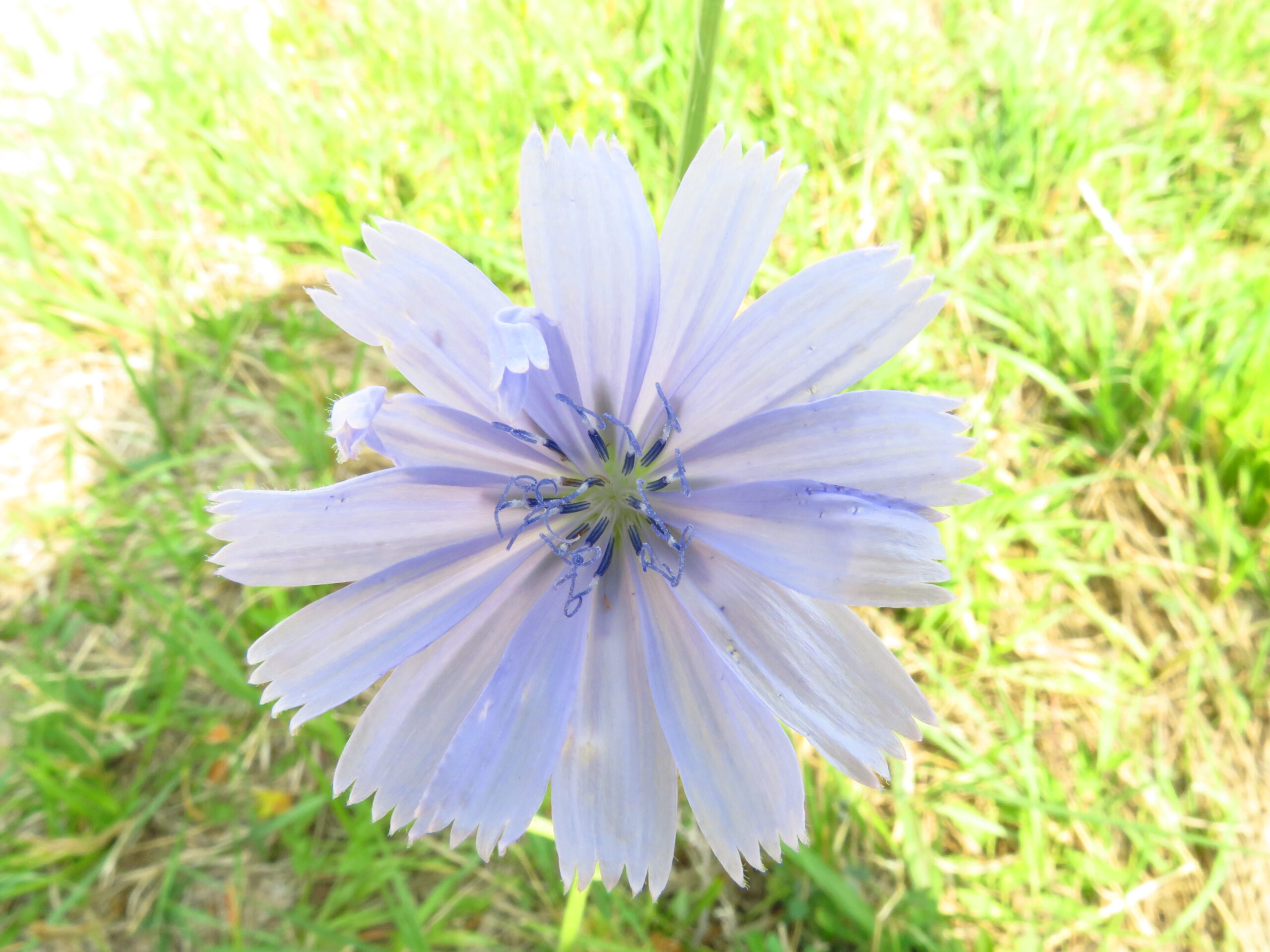
Mikhial Parison, Taos Soil & Water Conservation District
Alex Katovich, Bugwood.org
Fun Facts
Because this plant contains compounds toxic to internal parasites, researchers have explored its potential use as a livestock forage to help reduce worm burdens, particularly in sheep. [13]
Mikhial Parison, Taos Soil & Water Conservation District
Bruce Ackley, The Ohio State University, Bugwood.org
Fun Facts
L.L. Berry, Bugwood.org
David Cappaert, Bugwood.org
Fun Facts
Mikhial Parison, Taos Soil & Water Conservation District
Mikhial Parison, Taos Soil & Water Conservation District
Mikhial Parison, Taos Soil & Water Conservation District
Mikhial Parison, Taos Soil & Water Conservation District
Mikhial Parison, Taos Soil & Water Conservation District